A feeder that works in a spacious run may be awkward in a compact backyard coop. Before comparing models, picture where it will sit, how you’ll refill it, and whether you can reach the surfaces that need cleaning. Those everyday details matter more than a feature you may rarely use.
Start with placement and routine
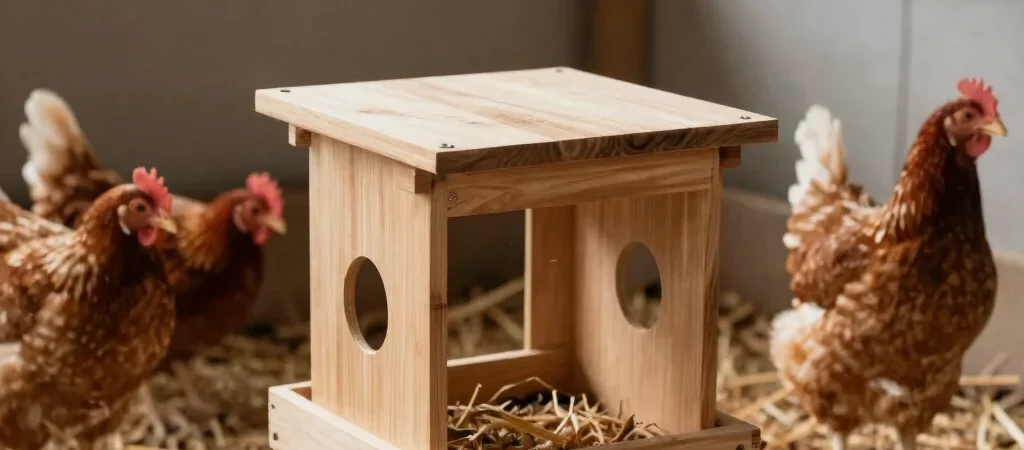
Measure the spot where the feeder will go, including the space needed to open a lid or lift out a container. A hanging feeder can keep feed off the bedding, but it needs a secure place to hang and may swing if poorly positioned. A stable floor model is simpler to access, though it can be easier for bedding and debris to reach.
Think about how often you want to refill and inspect it, rather than choosing by capacity alone. A larger feeder may mean fewer refills, but it still needs to fit the flock’s space and your cleaning routine. Whatever style you consider, look for accessible parts and surfaces you can keep clean and dry.
Compare useful features first
A basic open feeder is often straightforward and easy to check, while a covered or port-style design may help limit spilled feed depending on its setup and placement. More enclosed designs can take practice for birds to use and may have extra parts to inspect. Check the manufacturer’s care instructions and consider whether replacement parts are available before choosing a more complicated model.
Richard’s Practical Homestead may earn a commission if you buy through affiliate links, at no extra cost to you. That doesn’t change the practical test: compare dimensions, cleaning access, and the way the feeder will sit in your coop before weighing brand names or add-ons. If your current feeder is easy to refill and clean, there may be no good reason to replace it.